
Agile Product Management
-
The Product Managers Guide to Continuous Integration and Continuous Deployment

Continuous Integration and Continuous Deployment (CI/CD) have become essential practices for software teams looking to accelerate their development cycles and improve product quality. By automating builds, testing, and deployments, CI/CD enables teams to ship reliable updates more frequently. For product managers, this means faster time-to-market for new features and quicker feedback from real users. In… Continue reading
-
Guide to Value Stream Mapping in Product Development

Value stream mapping (VSM) is a lean management technique used to visualize, analyze, and improve the flow of information or materials required to deliver a product or service to a customer. It was originally developed as part of the Toyota Production System to optimize automotive manufacturing but has since been widely applied for process improvements… Continue reading
-
Smoke Testing for Defect-Free Product Launches: A Guide

Smoke testing is a vital software testing technique that helps validate whether a new build is stable enough to proceed further in the release process. For product managers, incorporating effective smoke testing into the development cycle can provide numerous benefits that ultimately lead to higher-quality product releases. This blog post will provide an overview of… Continue reading
-
Monoliths and Microservices: The Two Types of Architectures Product Managers Should Understand

Monoliths and Microservices -Architecture is a foundational aspect of software development that has a major influence on how applications are built, deployed, and iterated. As such, having a solid understanding of architectural styles and patterns is crucial for product managers to be effective in their roles. While architects and engineers handle the technical details and… Continue reading
-
Using Value Stream Mapping to Optimize Flow
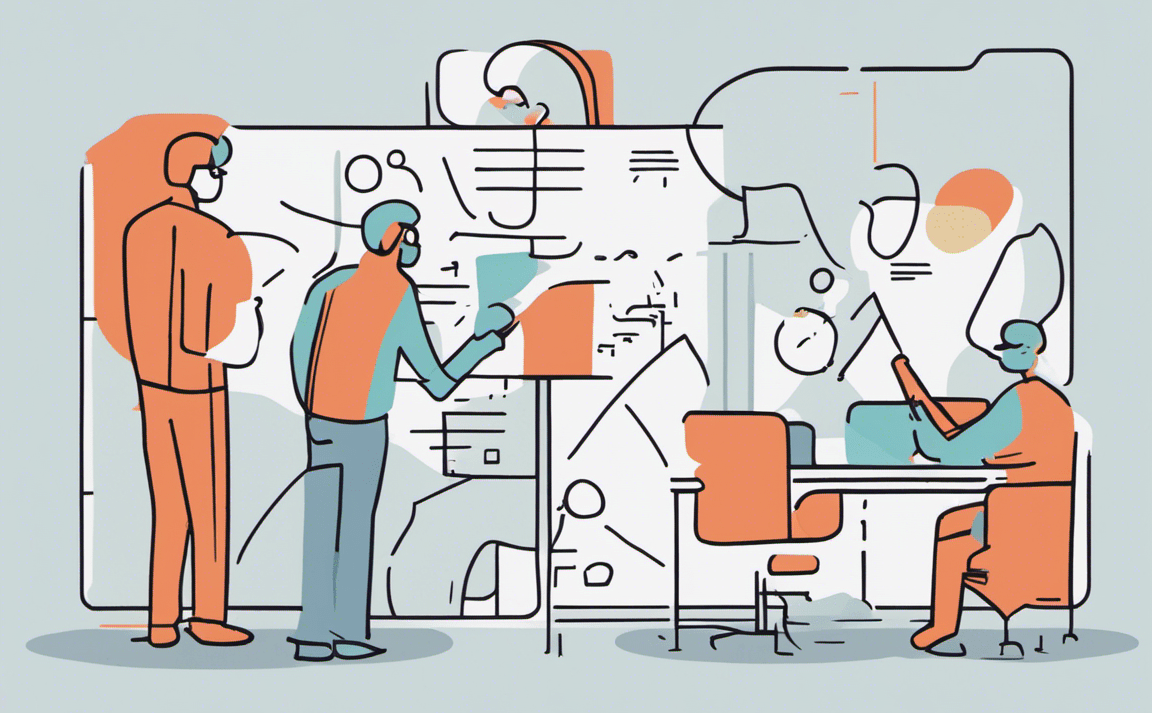
Value stream mapping is a lean management tool that enables organizations to visualize their workflows from end to end. Understanding how work flows through a process is critical for identifying waste, delays, and constraints. For agile product development teams, value stream mapping offers an impactful way to optimize development cycles to improve flow. This post… Continue reading
-
Technical Debt 101: A Product Manager’s Guide to Managing Tech Debt

Managing tech debt is an important concept in product development. Technical debt refers to the implied cost of deficiencies and imperfections in a codebase or system architecture. Just like financial debt, technical debt accrues interest payments in the form of reduced productivity and increased costs over time as a product evolves. Managing technical debt is… Continue reading
-
Implementing Design Sprints in Agile Environments

Design sprints and agile software development are two frameworks that are transforming how organizations build digital products and services. Design sprints originated at Google Ventures as a methodology for rapidly testing ideas through design, prototyping, and feedback. Agile development emerged as an alternative approach to traditional waterfall development, emphasizing an iterative way of building products. … Continue reading
-
Principles of Agile Modeling: An Introduction

Principles of Agile Modeling – Agile Modeling (AM) is an iterative and incremental approach to developing just enough models and documents to support the software development process. Rather than creating large upfront models, AM promotes regular communication between developers, customers, and users to build effective models incrementally as they are needed. Agile Modeling complements agile… Continue reading
-
Scrum Team Working Agreements: A Quick Guide to Increasing Alignment and Performance
Team working agreements are an important tool for aligning and empowering Scrum teams. Put simply, scrum team working agreements document the processes, expectations, and norms that your team follows to work together effectively. They cover both logistical details like meeting cadences and communication tools, as well as cultural aspects like how to make decisions or… Continue reading
-
User Stories vs Use Cases: How They Differ and When to Use Each

User Stories vs Use Cases are two of the most common product management artifacts to capture software requirements. Though they serve a similar purpose on the surface, these artifacts have key differences in structure, detail level, and usage. Understanding these differences is crucial for product managers to communicate requirements with their teams effectively. User Stories… Continue reading
-
The Role of a Product Manager in an Agile Team

Agile software development has revolutionized how technology companies build products over the past 20 years. Rather than traditional rigid, sequential development methods, agile emphasizes flexibility, continuous iteration, and cross-functional collaboration. As agile principles have taken hold across the industry, they have profoundly impacted one role in particular – the product manager. The product manager is… Continue reading
-
The Importance of Cognitive Flexibility In Product Management

The Importance of Cognitive Flexibility In Product Management – Cognitive flexibility is the ability to adapt your thinking and approach to situations based on new information or changing circumstances. As a Product Manager, cognitive flexibility is essential for success. You must continuously evolve your perspective on product direction and features based on new user data,… Continue reading
-
Balancing Technical Debt Prioritization With New Feature Development
Technical debt refers to the implied costs and risks of shortcuts taken early in product development that make it more difficult to add features efficiently later on. When engineering teams take actions like copying and pasting code or postponing needed refactoring in order to hit an aggressive launch timeline, it speeds up short-term delivery but… Continue reading
-
Managing Complex Projects with the DARCI Framework

Project management frameworks provide structure and processes for organizing work to meet desired objectives on schedule and budget. Yet many traditional frameworks like Waterfall assume a predictable, linear execution that fails when projects are complex, ambiguous, or unpredictable. The DARCI framework offers a new approach specifically designed to navigate complexity. Created by experts at the… Continue reading
-
Prioritize Your Product Backlog Using Weighted Shortest Job First (WSJF)

Having a prioritized product backlog is critical for agile teams to deliver maximum value. But with a laundry list of features, enhancements, bugs, and other items, how do you logically rank what should get worked on first? This is where the Weighted Shortest Job First (WSJF) framework comes in handy. WSJF provides a formula to… Continue reading
BROWSE BY CATEGORY
- Agile Product Management
- Case Studies
- Collaboration & Leadership
- Data & Analytics
- Frameworks & Models
- General
- Ideation
- Launch & Go-to-Market
- Market Research
- Pricing
- Prioritization
- Product Lifecycle
- Product Marketing
- Product Strategy
- Requirements
- Roadmapping
- Skills
- Tools & Resources
- User Experience & Design
- User Needs