
Agile Product Management
-
Building Better User Stories: INVEST Framework Explained

User stories are a cornerstone practice for modern product management. They allow product managers to capture desired functionality and improvements from an end-user perspective without getting bogged down in technical specifications. This facilitates collaboration across teams and stakeholders. However, writing good user stories can be tricky. Stories must strike a balance between being simple yet comprehensive… Continue reading
-
The Crucial Role of Prototyping in Iterative Product Design

Iterative product design is a cyclical process of designing, testing, gathering feedback, and refining concepts over multiple iterations. This process allows product teams to incrementally improve their products over time, rather than trying to release a perfect product right out of the gate. Prototyping plays a crucial role at multiple points in this iterative process.… Continue reading
-
Sprint Retrospectives: A Guide for Agile Product Development Teams

Agile methodology has become indispensable in modern product development, with its emphasis on adapting to change and delivering value to customers. At the heart of Agile lies iterative development, where work is structured into short, repeated cycles called Sprints. Sprints provide a framework for shipping small pieces of a product rapidly and regularly to gather… Continue reading
-
Creating an Effective Definition of Done Checklist for Scrum Teams

A Definition of Done (DoD) is a crucial element of the scrum framework that outlines the standards and requirements a product increment must meet before it can be considered “done”. Having a clear, well-defined Definition of Done ensures the development team has a shared understanding of what quality means for each product increment. A Definition… Continue reading
-
How Story Mapping and Impact Mapping Drive Alignment

Effective product development requires clear alignment between business objectives, user needs, and technical implementation. Two techniques that help create this alignment are Story Mapping and Impact Mapping. Both provide visual ways to connect desired outcomes to the features that will drive those outcomes. Story Mapping creates a user-centric narrative of tasks and activities. It focuses… Continue reading
-
8 Tips for Giving Effective Product Demos and Presentations

Tips for Giving Effective Product Demos and Presentations – A product demo or presentation is a critical opportunity to showcase your product and its value proposition. An effective demo can generate excitement, convey credibility, and motivate your audience to take action. On the other hand, a poor demo full of technical glitches or unclear messaging… Continue reading
-
Velocity Tracking: Measuring Team Throughput for Agile Capacity Planning

One of the most important, but often challenging, aspects of agile product management is accurately estimating capacity and setting realistic roadmaps. Even with mature agile processes, ambiguities in scope, changing priorities, and team dynamics can make capacity planning feel like guesswork. That’s why leveraging agile techniques like velocity tracking, burndown charts, and cumulative flow diagrams… Continue reading
-
Lean Product Management 101: The Ultimate Framework for Building Better Products

Lean Product Management is revolutionizing the way modern companies develop, iterate, and deliver products to market. By adopting a lean, customer-centric approach, product teams can build products that effectively meet customer needs while eliminating waste and inefficiency. Having an agile product development process is crucial for staying competitive and delighting customers. This Lean Product Management 101… Continue reading
-
Quick Introduction to Kanban Boards for Agile Development

For Agile software teams, effective collaboration and communication are essential to delivering working software iteratively. Tracking the status of user stories and development tasks can become challenging as complexity increases across sprints. Kanban boards for Agile Development have become a popular visual system for managing work item workflows and providing transparency into team progress. In… Continue reading
-
Creating Effective User Stories with Acceptance Criteria

A user story captures the “who“, “what“, and “why” of a requirement in a simple narrative format. But creating effective user stories takes skill and practice. Too often, teams end up with vague, incomplete, or poorly defined stories that lead to misaligned expectations and defective products. That’s where acceptance criteria come in. Well-defined acceptance criteria… Continue reading
-
Just Enough, Just in Time: Understanding Agile Requirements with Epics and User Stories

Traditional software development called for extensive upfront planning, with detailed specifications and requirements established at the start. However, this heavyweight process just doesn’t work. Requirements often change during the development projects, and without an iterative appraoch, upfront extensive requirements can result in wasted effort, bloated products, and dissatisfied customers. That’s why Agile embraces a just-in-time… Continue reading
-
Sprinting Towards Success: A Scrum Framework Overview

Scrum has become one of the most widely adopted agile frameworks for product development and team collaboration. With its focus on iterative delivery, transparency, and constant feedback, Scrum empowers cross-functional teams to build products that continuously deliver value to customers. In this short scrum framework overview, we’ll provide a beginners guide to the Scrum framework,… Continue reading
-
The Essential Guide to Product Backlog Management

In this comprehensive guide to product backlog management, we’ll explore what a product backlog is, why it’s important, and how to effectively manage it throughout the product lifecycle. The product backlog is one of the most important artifacts in agile product development. As the single source of requirements for the product, the backlog contains the… Continue reading
-
Exploring DevOps Culture and its Impact on Product Development

DevOps is a set of practices that brings development and operations teams together with the goal of improving collaboration, productivity, and efficiency. It emphasizes automating infrastructure, workflows, and processes to improve speed and quality. At its core, DevOps is about culture and shifting from siloed teams and mindsets to ones centered around communication, feedback, and… Continue reading
-
Estimating Part II: Tools and Techniques for Estimating Product Deliverables
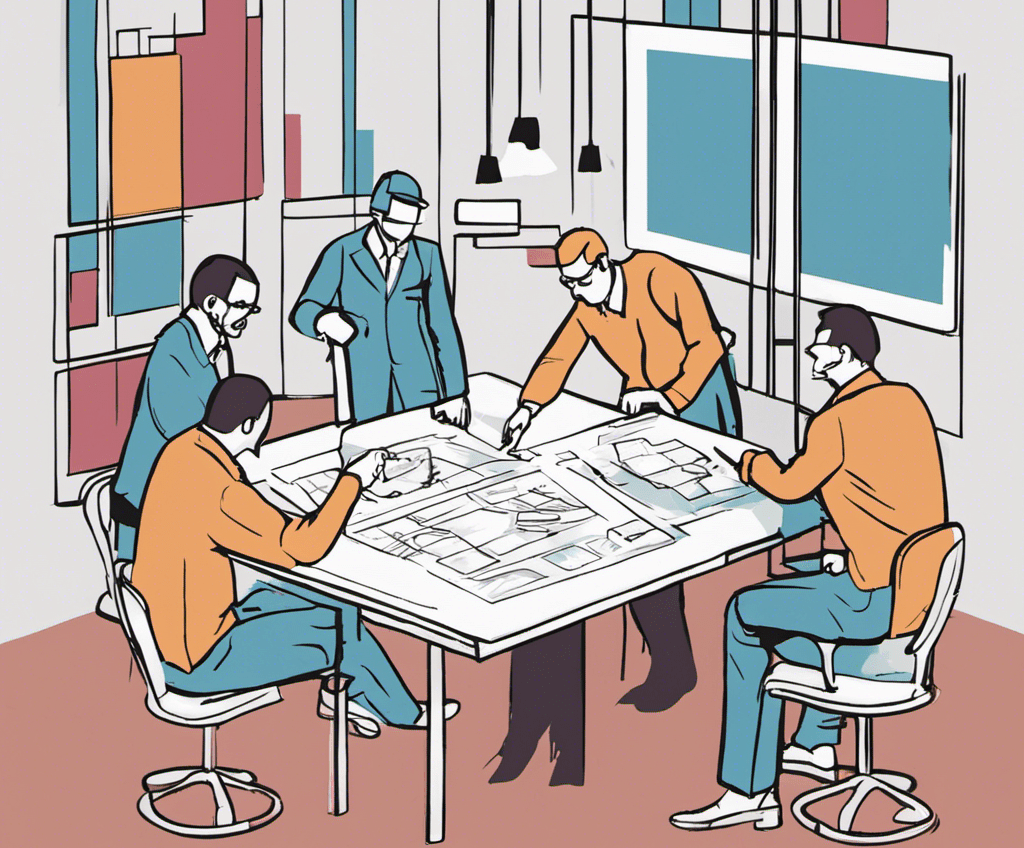
In the first part of this series on estimating product deliverables, we explored common agile estimating techniques like story points, planning poker, and t-shirt sizing. While those methods are great for arriving at initial sizing and gauging relative complexity, product teams often need more precise and data-driven forecasts to more accurately estimate deliverables. In this… Continue reading
BROWSE BY CATEGORY
- Agile Product Management
- Case Studies
- Collaboration & Leadership
- Data & Analytics
- Frameworks & Models
- General
- Ideation
- Launch & Go-to-Market
- Market Research
- Pricing
- Prioritization
- Product Lifecycle
- Product Marketing
- Product Strategy
- Requirements
- Roadmapping
- Skills
- Tools & Resources
- User Experience & Design
- User Needs