
User Experience & Design
-
Guide to Applying Design Thinking for Product Managers

Design thinking is a human-centric approach to innovation and problem-solving that prioritizes understanding user needs, rapidly generating ideas, and continually iterating through testing and feedback. Unlike analytical thinking which focuses on hard data and metrics, design thinking taps into a more creative, collaborative, and empathetic frame of mind to uncover innovative solutions. This design-centric process… Continue reading
-
An Introduction to User-Centered Design (UCD)

User-centered design (UCD) is a critical approach for developing digital products and services that effectively meet user needs. The philosophy behind user-centered design is that products designed with continual user research, testing, and feedback in mind lead to much higher product adoption, engagement, and overall success. Unfortunately, many products fail because companies make assumptions about… Continue reading
-
User Stories vs Use Cases: How They Differ and When to Use Each

User Stories vs Use Cases are two of the most common product management artifacts to capture software requirements. Though they serve a similar purpose on the surface, these artifacts have key differences in structure, detail level, and usage. Understanding these differences is crucial for product managers to communicate requirements with their teams effectively. User Stories… Continue reading
-
Boost Product Success with Empathy Mapping: An Actionable Framework for Customer Centricity
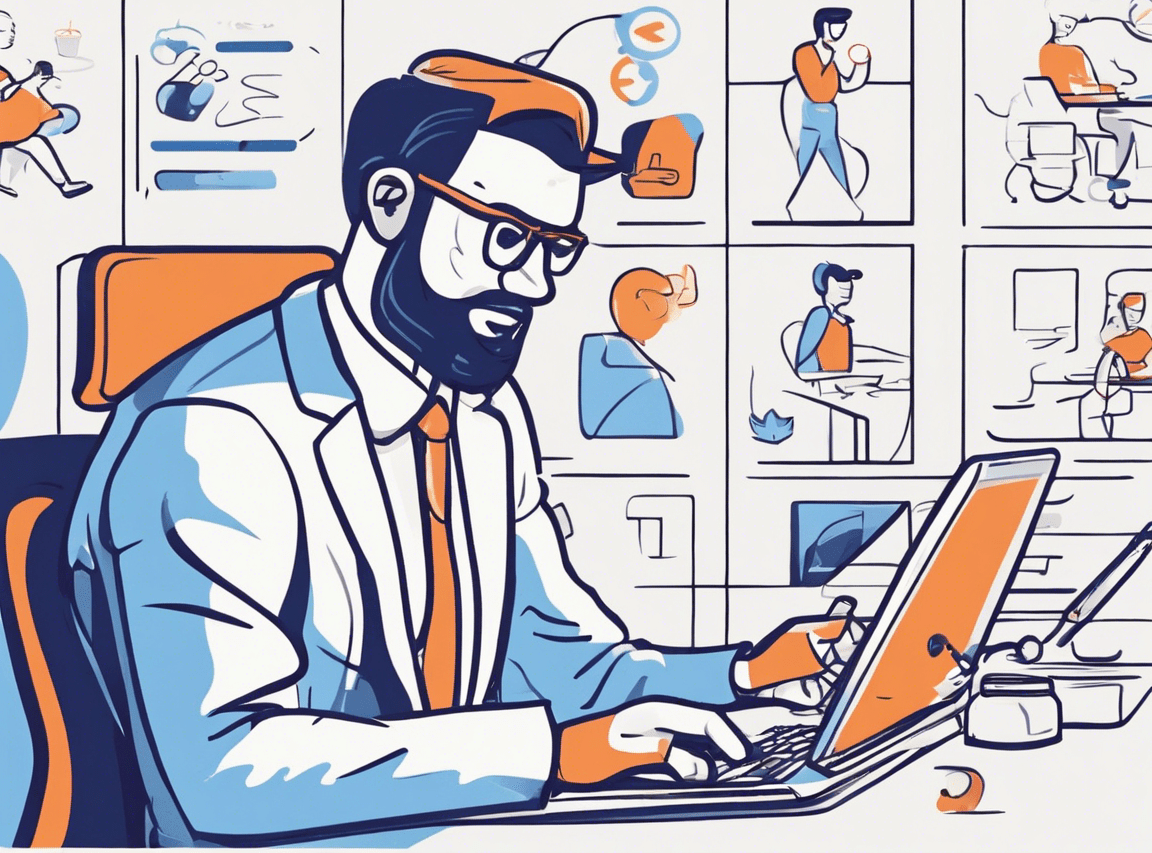
Empathy mapping is a collaborative tool used to gain a deeper insight into what customers think, feel, see, hear, and experience. As products become more user-centric, empathy mapping has become an essential framework for product teams to employ. This powerful method enables teams to step into their customer’s shoes and identify touchpoints that frustrate or… Continue reading
-
Less is More: Why Simplicity Rules Product Design and User Experiences
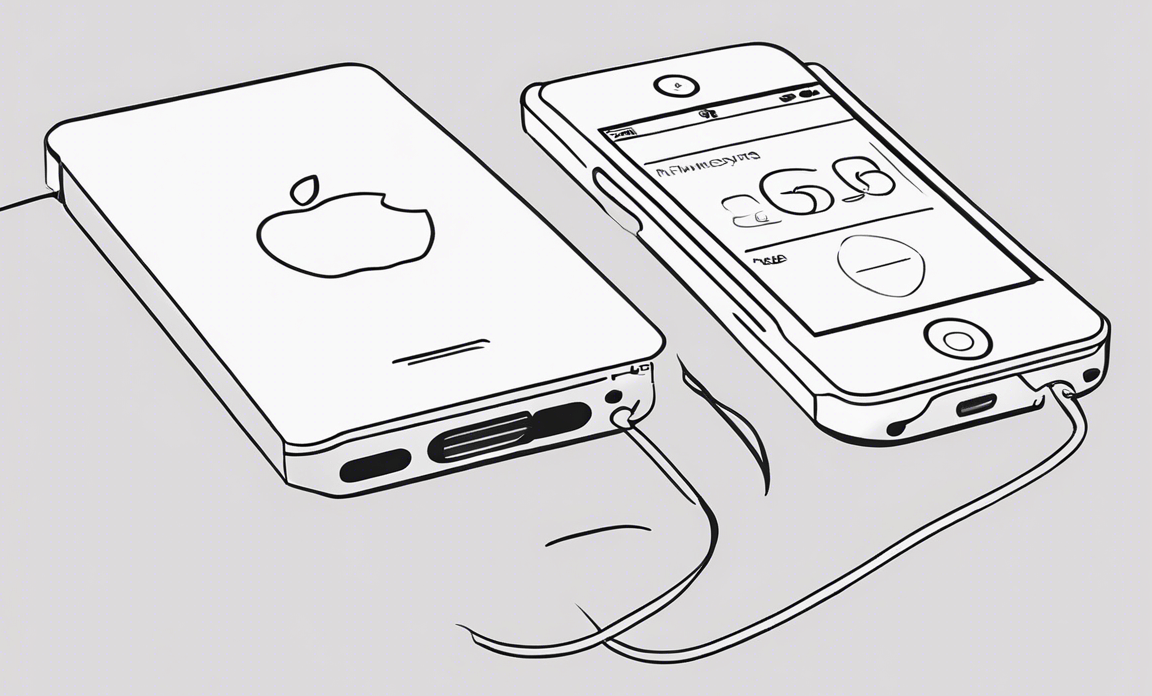
Minimalism in product design is centered around the principle that less is more. It is an approach that emphasizes restraint and focuses only on the most essential features and elements needed to make a great product. The goal of minimalist product design is to strip functionality down to its core purpose, removing anything unnecessary that… Continue reading
-
Building Better User Stories: INVEST Framework Explained
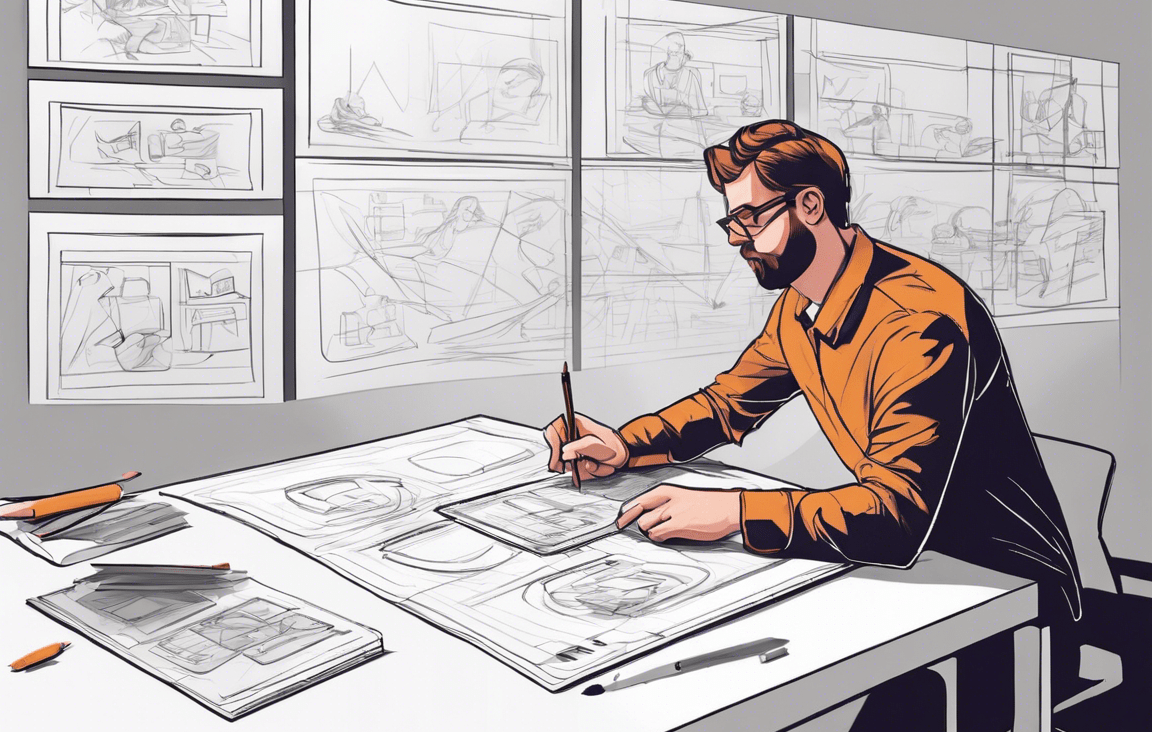
User stories are a cornerstone practice for modern product management. They allow product managers to capture desired functionality and improvements from an end-user perspective without getting bogged down in technical specifications. This facilitates collaboration across teams and stakeholders. However, writing good user stories can be tricky. Stories must strike a balance between being simple yet comprehensive… Continue reading
-
The Crucial Role of Prototyping in Iterative Product Design

Iterative product design is a cyclical process of designing, testing, gathering feedback, and refining concepts over multiple iterations. This process allows product teams to incrementally improve their products over time, rather than trying to release a perfect product right out of the gate. Prototyping plays a crucial role at multiple points in this iterative process.… Continue reading
-
Lean UX for Product Design: A User-Focused Approach

In a highly competitive and ever-evolving marketplace, traditional product design approaches can no longer provide the necessary competitive advantages. Lengthy release cycles and limited user feedback can lead to costly delays and miscalculations, resulting in products that fail to resonate with their target users. Therefore, to remain competitive and precisely meet user expectations, it’s important… Continue reading
-
Boost User Retention: Strategies to Increase Product Stickiness
Hooking and holding onto users is imperative for any product’s success. But with so many competing options vying for attention, how can you make your product irresistibly sticky? User retention is essential, yet fickle. Even the most innovative products struggle to consistently engage users day after day. So what are the ingredients for product stickiness? … Continue reading
-
Boost Engagement and Motivation with Product Gamification: Rewards, Progress Tracking, and Social Elements

Product Gamification is an approach that involves integrating game-like elements into non-game contexts to motivate and engage a product’s users. By leveraging principles commonly found in games, such as rewards, challenges, and progress tracking, product designers can use product gamification to enhance their users’ experiences, drive engagement, and encourage desired behaviors. Continue reading
-
How Continuous Product Improvement Drives Customer Loyalty

Outstanding products undergo continuous evolution and enhancement. Companies that actively solicit user feedback, attentively consider their requirements, and allocate resources to research and development can effectively fine-tune their products, maintaining a competitive edge. This continuous product improvement showcases a dedication to excellence, leading to consistent, elevated levels of customer satisfaction and loyalty. Let’s examine Netflix,… Continue reading
-
Creating Compelling Value Propositions for Unbeatable Customer Satisfaction
Creating compelling value propositions means creating products that offer clear value to their users. They must solve a problem or fulfill a need effectively and efficiently. They provide benefits that outweigh their price and overall cost of ownership, such as convenience, time-saving capabilities, or cost savings, resuting in a compelling value proposition that in-turn provides… Continue reading
-
Building Accessible Products

Accessibility constitutes the vital principle of product design, ensuring they are usable by all, irrespective of disabilities. Building accessible products requires the removal of obstacles and ensuring equitable access to information and functionalities for every individual. Accessibility considerations cover a variety of factors, including visual and hearing impairments, motor limitations, cognitive disabilities, and more. For… Continue reading
-
Avoiding Feature Creep: Maintaining Product Focus and User Satisfaction

Feature creep, bloat, or scope creep refers to the gradual expansion of a product’s features or functionality beyond its original scope or purpose. Avoiding feature creep can be a great challenge for Product Managers. It occurs when additional features or requirements are continually added to the product, often without you properly evaluating their impact on… Continue reading
-
User-Centric Design: Insights from Google Search and Others

Explore the power of user-centric design through Google Search and standout products. Learn how simplicity, usability, and intuitive interfaces create exceptional user experiences that drive loyalty and trust. Discover successful examples like Kindle, Nest Thermostat, and more. Continue reading
BROWSE BY CATEGORY
- Agile Product Management
- Case Studies
- Collaboration & Leadership
- Data & Analytics
- Frameworks & Models
- General
- Ideation
- Launch & Go-to-Market
- Market Research
- Pricing
- Prioritization
- Product Lifecycle
- Product Marketing
- Product Strategy
- Requirements
- Roadmapping
- Skills
- Tools & Resources
- User Experience & Design
- User Needs