
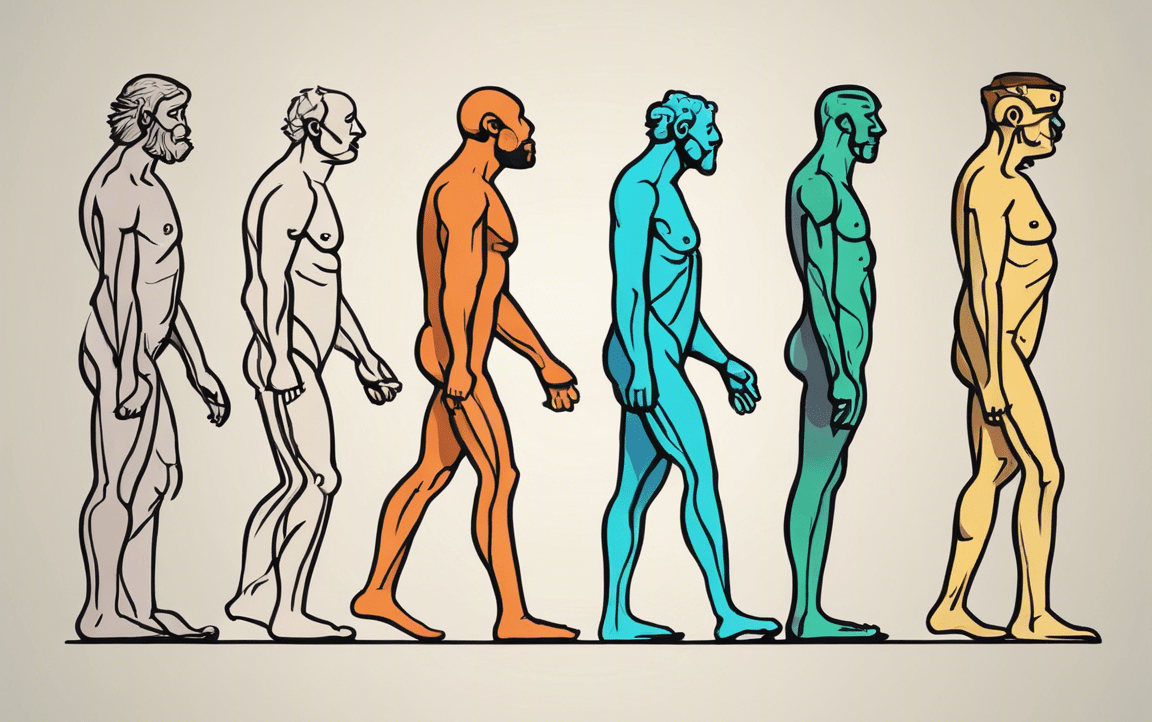
Blockbuster laughed off the threat of mail-order movie rental upstart Netflix in the early 2000s. “Neither RedBox nor Netflix are even on the radar screen in terms of competition,” said Blockbuster CEO John Antioco. Just years later, Blockbuster collapsed into bankruptcy while Netflix grew to dominate the home entertainment industry. Adapt or Die -This cautionary tale reveals a crucial truth – in product management, adaptability rules all. Companies and products that fail to adapt to evolving customer needs, market dynamics, and technology trends inevitably get left behind. Those who nimbly change course reap the rewards.
The need for adaptability permeates throughout product management. Markets, users, technologies, and competitors constantly shift in the modern age. Customer tastes prove difficult to predict. Disruptive innovations continually upend industries. Economic winds and business cycles ebb and flow. Effective product management requires tracking these external changes and then quickly adapting products, roadmaps, and strategies in response. With so many complex forces at play, no product lifecycle lasts for long. Teams must actively listen to signals, watch for inflection points, and make calculated pivots to stay fit. Just as Darwin observed with living organisms, the technology products that survive are those most responsive to change.
The Need for Adaptability in Product Management
User Needs and Markets Change Constantly
Customer preferences rarely follow a straight line. Tastes ebb and flow according to complex social trends and economic forces product teams struggle to model. For example, the initial popularity of 3D movie technology quickly fizzled due to poor-quality experiences and changing consumer perceptions. The one constant teams can count on? Continual change.
Product managers must serve as the voice of the customer throughout the product’s lifecycle. This requires getting closer to users and markets through customer advisory boards, ethnographic user research, concept testing, and advanced analytics. Teams must continually ask questions to detect shifts in the winds – are users happy with the core value proposition or do certain features now seem bloated and unnecessary? Have competitive offerings leapfrogged capabilities? Are substitute products gaining more favor? Has loyalty eroded along with satisfaction? The teams asking these questions, tracking these external signals, and then adapting appropriately give their products the best chance of staying relevant.
Technology Trends Push the Pace of Change
If fickle user preferences were not enough, product managers must also grapple with ever-evolving technologies. The blistering pace of change introduces existential threats along with opportunities. For example, streaming made Blockbuster’s model instantly outdated while enabling Netflix’s ascent. Gene sequencing and AI-driven drug discovery now threaten pharma’s blockbuster drug R&D model. And companies that bet big on smartphone hardware and operating systems now play defense as software expands the arena for competition.
To leverage the opportunities and combat the threats, product managers must become students of technology change. They need to connect with experts across academia, industry consortiums, vendors, and open-source communities to discover innovations years before they go mainstream. The insights allow teams to find areas of competitive differentiation and make bets on the future. However, product managers also know even the best predictions will miss the mark which reinforces that continuous adaptation matters most.
Key Areas Where Product Managers Must Adapt
Adapting to Changing User Needs and Preferences
The core purpose of any product is to meet the needs of users. When those needs shift, the product must follow suit. Agile product development methodologies provide the flexibility needed to continually realign products with evolving user wants and needs. They allow teams to iterate rapidly based on user feedback instead of making one big bet.
Product managers have several mechanisms to closely tune into user signals including customer advisory boards, user studies, concept testing, and community forums. As they detect changing user behaviors, desires, or pain points, they can quickly shuffle product roadmaps to tackle the most acute user needs. Release trains and MVP iterations then deliver adaptations faster. Prioritization is key as resources remain finite even as new opportunities abound.
Of course, not all user requests or market research ideas should get greenlit. Product managers must still synthesize insights and make tough choices on which product adaptations bring the greatest customer and business value. But by maintaining a pulse on user signals, they put themselves in the best position to evolve products along with consumer demand.
Keeping Pace with Market Changes
Markets also prove notoriously hard to predict as competitors rise and fall, disruptions ignite, and macroeconomic trends shift. Skilled product managers stay plugged into market signals by monitoring rival offerings, speaking with industry experts, and tracking macro trends. This allows them to detect threats early and capitalize on opportunities.
For example, the product managers who saw peer-to-peer payments gaining traction through Venmo and other apps quickly raced to add similar capabilities to their banking apps. Government policy changes like GDPR likewise create market adaptations including updated privacy controls and consent flows. Macroeconomic impacts also factor in as product managers tweak pricing models and feature sets to align with recessions or regional requirements.
By keeping pace with external market forces, product managers maximize their product’s position and potential. They realign offerings to satisfy the most pressing unmet needs before rivals. Market adaptability thus forms a core competitive advantage that savvy product managers bake into team rhythms.
Leveraging New Technologies
The bleeding edge of technology expands constantly, offering new capabilities while threatening old ones. Savvy product managers stay plugged into tech innovation pipelines by maintaining connections with academia, research consortiums, vendors, and developer communities. This allows them to experiment with emerging technologies before they go mainstream, like how Netflix tested streaming years before launching it.
Advanced technologies like AI, AR/VR, blockchain, quantum computing, and synthetic biology promise to reshape industries. Product managers must evaluate each technology’s relevance and startup pilot projects to learn. For example, many products now infuse AI capabilities to deliver personalized recommendations, predict outcomes, or automate tasks. AR and VR likewise create new interface possibilities.
Of course, investigating every new technology proves impossible. Product managers must become studious about applying new capabilities to solve customer problems better. They run controlled experiments, A/B tests and industrialize learnings across their organization. Prioritization and focus matter most. Still, by continuously exploring and leveraging emerging technologies, technology products stand the best chance of leapfrogging competitors.
Reactively Responding to Changes
Despite best efforts tracking signals, unexpected shocks still reshape markets, from competitor innovations to viruses. Skilled product managers anticipate potential scenarios and form contingency plans for quick reactions. Playbooks for economic downturn adjustments, new competitive entries, and other market disruptions enable teams to regroup and respond quickly.
Reactive situations require decisiveness balanced with deliberation. Product managers must respond urgently to new threats and opportunities but also investigate implications before committing fully to new directions. Consultations with stakeholders, rapid customer surveys, and decision-framing techniques help navigate uncertain situations.
With reactants and responses planned for, product teams limit damage while capitalizing on fortunate turns. While sudden change brings inherent precariousness, the teams who have prepared courses of action for myriad scenarios stand ready to adapt and seize the moment.
The Mindsets and Skills Needed
Adapting products successfully requires certain mindsets and skills from product managers:
Curiosity & Learning Mindset – With rapid change the norm, product managers must commit to continuous learning. Curiosity about emerging technologies, shifting user behavior, market dynamics and more allows teams to spot turning points. Managers encourage their teams to constantly ask questions, even if it means less output at times. Learning new tools like data science techniques also expands adaptation capabilities.
Comfort with Ambiguity – Predicting the future proves impossible with ambiguous signals and complex interdependencies. Product managers accept uncertainties and avoid locking into rigid roadmaps or multi-year strategies. They become agreeable to shifting priorities as new information emerges.
Data-Driven Decisions – Definitive long-term predictions lack reliability, so product managers hone data-driven decision-making abilities. Well-designed experiments, A/B tests, and impact analysis guide progressive commitments while preserving flexibility. Data and evidence – not gut feelings – direct adaptations.
Cross-Functional Leadership – Adaptations require alignment across departments like engineering, marketing, sales, and support. Product managers build influence through emotional intelligence, communication, and trust to enroll these stakeholders in pivot decisions.
Change Management – Driving major product adaptations means ushering people through change. Strong change management practices like clearly conveying reasons, providing learning opportunities, celebrating small wins, and giving space to vent speeds alignment.
Examples of Product Management Adaptation Success
- Netflix rapidly shifted from DVD rentals to streaming after seeing changing consumer viewing habits. They worked ahead of demand curves by running multiple business models in parallel before pivoting.
- Adobe migrated its desktop creative suite to a subscription-based cloud model to adapt to mobile lifestyles and combat piracy. The move frustrated some users initially but ultimately put Adobe in better alignment with usage trends.
- PayPal spun off from eBay to become a broader payment platform after recognizing the growth of online commerce and peer-to-peer transactions. The move expanded their addressable market through strategic focus.
These examples reveal key patterns – spot changing demands early, use data to guide decisions, bring users along transparently, and align technology with strategic goals.
Subscribe and never miss a post!
Conclusion
Adaptability has always served as a key tenet of effective product management. However, a quickening marketplace defined by technological leaps, fluid user needs, and unforeseen events mandates product managers take agility to new heights. Teams must lean into continuous learning and experimentation while leveraging smart data to make calculated bets. With adaptation capabilities crucial to survival, product managers must take on the role of transformers willing to reshape offerings. They must set aside egos, ingrained behaviors, and attachment to previous identities.
Products now exist in a constant state of iteration and reinvention. In the adapt-or-die ethos governing modern technology, product management has no choice but to embrace flexibility as a core competency. Companies not willing to periodically reinvent themselves invite extinction – with change itself the only constant.
