
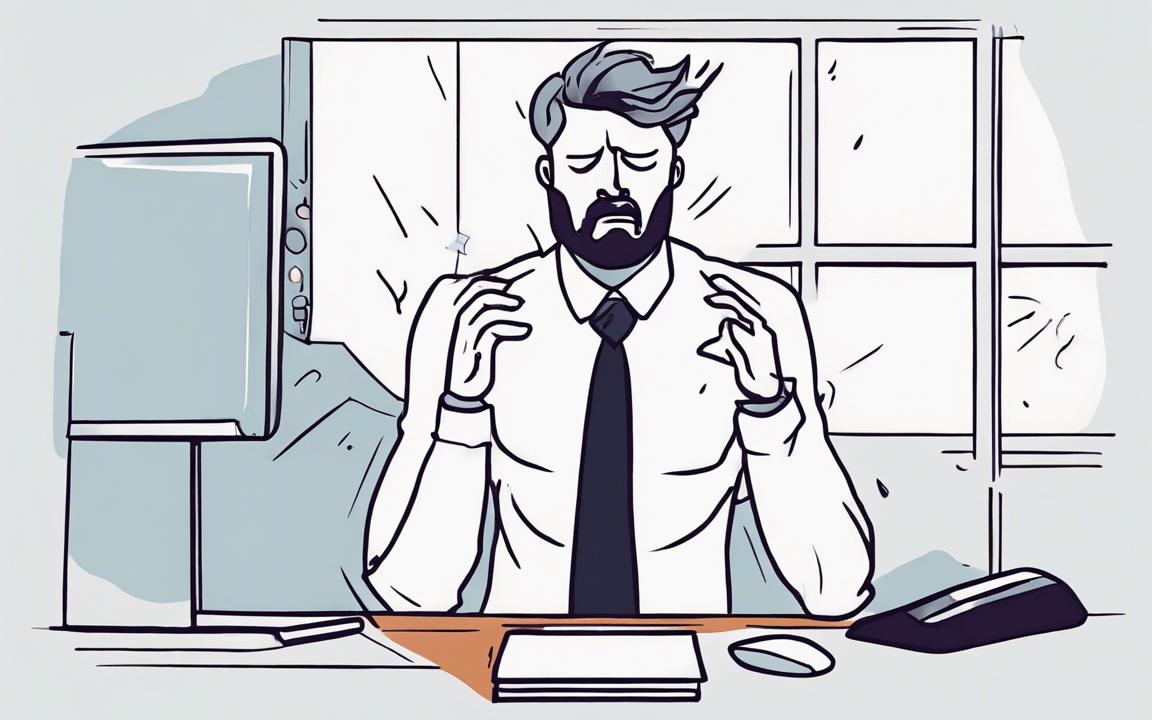
Product managers are in high demand. However, turnover rates among experienced product leaders are also quite high. After reaching a senior level in the field, what prompts these seasoned professionals to quit their current roles and seek new opportunities? In this comprehensive guide, we will explore the top seven reasons senior product managers decide to leave their jobs. Gaining insight into why Product Managers quit can help companies improve retention among top talent in this critical function.
1. Burnout and Work-Life Balance
It’s no secret that the life of a successful senior product manager is highly demanding, involving long hours, quick deadlines, and high levels of stress. As leaders of entire product lines, Product Managers have an enormous range of responsibilities. It is common for these roles to require 60+ hour work weeks to juggle priorities like strategic planning, roadmap building, managing stakeholders, overseeing development, launching new features, and driving adoption and growth.
Over time, the grind of this pressure-cooker environment leads to emotional, mental, and physical exhaustion among senior talent. Studies show that 75% of product managers suffer from moderate to severe burnout, prompting professionals to seek roles with improved work-life balance. After years of climbing the ranks, senior Product Managers begin to prioritize lifestyle, health, and sustaining a manageable stress level over the high-profile pressures of these taxing leadership positions. With burnout pegged as the biggest factor behind turnover, companies must evaluate excessive workload and provide coaching to mitigate prolonged stress among their senior product experts.
2. Desire for Greater Impact
In addition to burnout, the second major reason senior product chiefs leave their roles is a desire for greater impact and influence. After reaching an advanced level, some PM leaders feel limited by the scope of their current product line or company. These ambitious and driven individuals start looking for expanded opportunities to drive transformational change through product innovation.
Having managed entire product lines, many Product Managers start yearning for C-suite influence over product vision and strategy across broader company portfolios. Some seek bigger challenges and wish to build new products and categories from scratch. Others want to take on VP or Chief Product Officer roles with deeper strategic input guiding executive decisions. For these high performers, it’s not only about work-life balance but feeling their talents can shine brighter and make a bigger difference in another lead PM position at an emerging company or overseeing multiple lines of business. Providing clear advancement paths and engaging senior PMs in strategy can help satisfy their appetite for greater impact.
3. Attractive Market Opportunities
With the proliferation of technology companies and demand for product management leaders outpacing supply, the job market is ripe with attractive opportunities for senior PM talent. After reaching the top of their game, seasoned professionals are eagerly courted with tempting offers they feel compelled to consider.
Higher compensation packages can be strong motivators, with pay jumping 20-50% for coveted senior candidates changing jobs. Along with bigger paychecks, new positional perks enter the picture like more vacation time, flexible schedules, remote work options, and appealing job titles to feed the ego like “Chief Product Mastermind” or “Director of Product Vision.”
Bigger budgets, broader resources, and more exciting product challenges also await senior-level recruits at emerging unicorns. For PMs passionate about innovations in growth areas like AI, blockchain, metaverse experiences, or transformational technologies, the appeal of leading products for the next generation often proves irresistible compared to incrementally improving existing applications.
4. Company Culture and Management Issues
While attractive external opportunities motivate some senior-level switches, negative factors push some talented managers out the door. Issues with company culture, leadership, organizational priorities, and management philosophies can prompt valued senior PMs to quit if fundamental disconnects emerge.
Culture clashes and lack of vision alignment are common culprits, especially after leadership changes or mergers with divergent values. Insufficient executive access, prioritization gaps, and lack of resources to support critical initiatives also degrade the experience of senior product chiefs. However, management problems prove most frequently cited, whether stemming from an overbearing style or lack of support for their teams. Micromanagement, absent leadership, poor communication habits, and failure to respect PM expertise all function as toxic management realities that drive out senior talent.
5. Technological and Market Shifts
As leaders in the tech sector, senior product managers thrive on the cutting edge. When exciting new technological shifts emerge or market landscapes evolve, the allure of roles aligned to these trends can pull elite talent.
For example, as artificial intelligence grew ubiquitous, many senior PMs leveraged their cross-functional mastery into AI product leadership spots where they could incorporate their passions. The promises of quantum computing, VR/AR immersion, and blockchain also tempt digitally savvy specialists. Just as markets experience tectonic shifts, seasoned product chiefs migrate into hot growth areas or industry verticals transformed by next-gen advances.
Whether cryptocurrency explosions, seismic movements in global eCommerce, the Web3 revolution, or seismic changes within healthcare, automotive, or financial tech, senior product chiefs flow into spheres experiencing massive waves of innovation pressure. The urge to ride the wave of progress lures PM leaders away even from stable roles into start-up environments or legacy firms undergoing digital transformation.
Subscribe to Beyond the Backlog for Free!
…and get all new posts direct to you inbox:
6. Entrepreneurial Aspirations
Some Product Management professionals accumulate such extensive expertise, industry connections, and leadership capabilities that they decide to channel their talents into entrepreneurial ventures. After years of honing world-class product instincts, they feel prepared to build products and services from initial concept to scaled implementation as founders.
Having guided development, positioning, customer research, and go-to-market strategies for some of the world’s most successful companies, these veterans possess hard-won insights and best practices to launch their disruptive solutions. Whether B2B or B2C focused, funded by VCs, or self-started, product-obsessed leaders leave big tech to create transformative products for health, sustainability, communication, entertainment, and more from an owner’s mindset. Even if their startups don’t succeed, their product leadership expands ecosystems, and they can always leverage substantial experience into presidential product roles back in established organizations.
7. Remote Work and Flexibility Preferences
The COVID-19 pandemic accelerated existing trends towards more flexible and remote work arrangements. After adjusting to this new reality, many seasoned professionals now expect and demand more workplace flexibility.
Product Managers are no exception. Even as offices reopen, many elite Product Managers have grown accustomed to working from home. They’ve realized they can perform their high-level strategic duties without commuting or being tied to a desk. As valued senior talent, these individuals now seek out or request remote-friendly arrangements, flex schedules, or hybrid approaches as they evaluate job offers and existing roles.
With long tenures in office-centric corporate settings, some senior leaders relish the freedom, autonomy, and family time remote work facilitates. Others facing relocation demands from current employers refuse to uproot their lives, sparking resignations if forced back full-time onsite. Wise companies realize they must cater to flexibility preferences or risk losing top product management professionals who have proven they can successfully drive strategy, vision, and development without physical oversight.
Conclusion
As the pace of technological change accelerates, demand for world-class product leadership outstrips supply. This empowers Product Managers to be more selective about roles aligned with their passions, interests, lifestyles, and values. Companies seeking to retain top PM talent must support work-life balance, provide development pathways, champion innovation, nurture culture, and accommodate flexibility needs.
While some turnover will always occur, organizations that actively listen, connect senior leaders to strategy, and demonstrate their contributions are valued will earn loyalty from their product heroes. By getting inside the minds of elite product chiefs and understanding motivators for change, tech businesses can thrive through market shifts and fierce competition for talent.
If you liked this post on Why Product Managers Quit, you may also like:
- The 7 Superpowers for Effective Product Management
- Managing Complex Projects with the DARCI Framework
- How Product Managers Can Leverage Market Rhythms
