
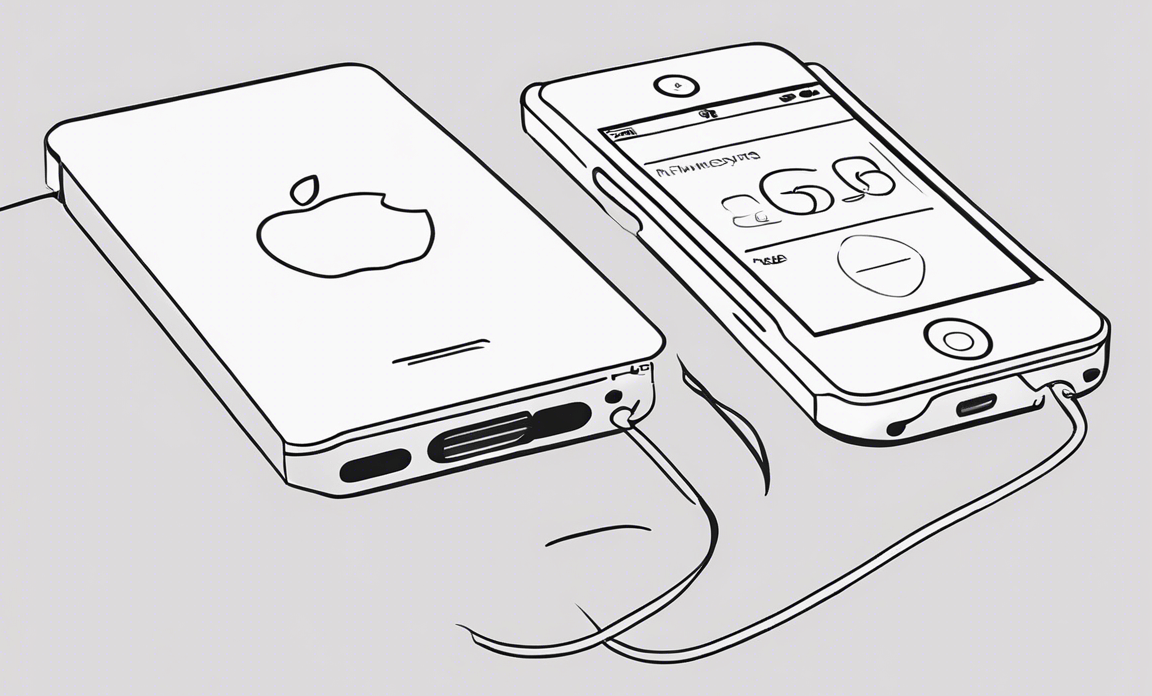
Minimalism in product design is centered around the principle that less is more. It is an approach that emphasizes restraint and focuses only on the most essential features and elements needed to make a great product. The goal of minimalist product design is to strip functionality down to its core purpose, removing anything unnecessary that could create clutter or confusion. This “Less is More” approach creates products that are visually simple, intuitive, and easy to use.
When products employ minimalist design well, they become more usable, more beautiful, and convey more care and thoughtfulness put into the user experience. Removing extraneous elements helps refine and elevate the most important ones. This is why many of the most beloved, best-in-class products across various categories embrace the fundamental ethos of Less is More in their design.
There are several key advantages minimalism brings to product design:
Increased Usability: By stripping out complexities in the user interface, minimalist designs allow users to more easily focus on the core product features they need. Minimalism aims to eliminate obstacles that hinder usability.
Improved Aesthetics: Thoughtful use of white space, visual symmetry, and clean interfaces create attractive minimalist product designs. They possess an elegant, uncluttered aesthetic.
Enhanced Understanding: Minimalism reveals and amplifies the essential. Features and workflows become more intuitive and easier to understand at a glance.
Focus on the Important: Minimalism forces designers to deeply evaluate what is most vital for an optimal user experience. There is less room for superfluous elements that aren’t aligned with user goals.
Accessibility: Minimalist interfaces tend to be more inclusive and accessible to users with disabilities, older users, and those less tech-savvy. Simple, text-focused designs are easier for screen readers and translation tools.
As technology gets more advanced and complex under the hood, embracing minimalism in how it gets presented to users is crucial for driving adoption and satisfaction. Doing more with less is the foundation of elegant product design.
A Brief History of Minimalism in Design
While today minimalism is most prominently applied in the field of product design, especially in technology, its origins began over a century ago in architecture and visual art. Understanding the evolution of minimalist philosophy gives context to why its ethos around functionality and stripping away ornamentation so powerfully resonates with the design principles and constraints around crafting user experiences.
Early Influences
The school of thought centered on “Less is More” has influenced composers, writers, visual artists, architects, and other creatives for generations before it began permeating into product design.
Ludwig Mises’ early 20th-century essay “On Elegance and Clarity” discussed how elegance is achieved in philosophy and science through simplicity and precision. This treatise on presenting thought in its essential form inspired others about design across domains.
The Bauhaus Movement beginning in 1919 pushed ideals about stark functionality that rejected decorative elements without purpose. Form following function became a mantra in architectural minimalism. Leaders like Mies van der Rohe pioneered this school of thought by designing buildings with clean lines and open spaces without ornamentation.
De Stijl, pioneered by painter Piet Mondrian and architect Gerrit Rietveld in the 1920s also centered on asymmetrical but balanced layouts and the use of primary colors to focus on essential forms. Their publication “Neo-Plasticism” spread their manifesto.
The Influence of Dieter Rams
No discussion about minimalism is complete without highlighting the enormous contributions of legendary German industrial designer Dieter Rams in the 1960s-70s. Working closely with the electronics company Braun, Rams took a reductive approach to designing beautiful consumer products like radios, calculators, speakers, and various home appliances that are still considered iconic today.
Rams’ ten principles of good design that he used to guide his meticulous product design include edicts like “Good design is aesthetic”, “Good design makes a product understandable” and “Good design is as little design as possible”. His constraints-focused approach and ethos around stripping all but the functionality to the bone laid the groundwork for Apple’s approach decades later.
The Ascension of Apple
When Steve Jobs returned to Apple in 1997, he brought back his friend Rams to help inspire Apple’s new design language moving forward. The brightly colored, cluttered interfaces full of gradients and skeuomorphisms of the early Macs and Windows PCs were completely overhauled towards flat, minimalist software and hardware design.
The introduction of the translucent, spherical iMac in 1998 signified this new era where Apple products shoved aside styling not directly tied to usability goals. The huge success of the iPod and later iPhone and iPad solidified Apple’s position as leading the way in popularizing minimalism in mass-market consumer technology and interfaces.
While not every company took Apple’s extreme approach purging anything resembling faux textures and visual metaphors, an embrace of white space, and focus on stark essentials to simplify navigation and choices marked a key shift towards minimalist UI and industrial design across the industry.
Principles of Minimalist Product Design
There are several core principles that are embodied in effective minimalist product design:
Focus on Essential Functionality
At the heart of minimalism is the relentless focus on only the product functionality that is absolutely essential. This means pruning and pairing back features to the vital few that users need to accomplish their goals.
Following the Pareto Principle, around 20% of features often deliver 80% of user value. Identifying and elevating this core 20% while removing secondary toolsets leads to greater usability and alignment of the UX to user jobs-to-be-done.
Remove Unnecessary Elements
All visual elements should tie directly to assisting users in reaching their goals. Decoration for aesthetics’ sake without purpose only serves to create clutter and cognitive overload.
Any creative flourishes that don’t provide clarity should be eliminated. Illustrations, animations, and even descriptive text unrelated to critical workflows distract from efficiency and comprehension.
Use White Space and Negative Space
While often seen as empty or blank areas, white space, and negative space are critical design elements in minimalism. White space helps create visual harmony. Negative space brings focus to the positive elements on the page.
Too much density and heaviness can feel imposing to users rather than inviting. Careful use of empty areas allows easier scanning and less intimidation while improving aesthetics.
Focus on Clean, Uncluttered Interfaces
Sticking to the essential functionality and elements provides the opportunity to craft interfaces with visual clarity. Density should be evenly distributed instead of packed in some areas and sparse in others.
Nothing should feel randomly placed. Alignment to an invisible grid lends harmony and consistency across pages, allowing users to focus on tasks instead of trying to find things. Streamlining choices helps prevent choice paralysis.
Symmetry and Visual Harmony
Related to cleanliness is a sense of symmetry and visual harmony. Consistent placement of buttons, balances in the layout, and mirroring of style and shapes across the interface provide familiarity and reinforcement.
Overly complicated, uneven designs feel less trustworthy and make comprehension require more work. Layouts should feel inevitable rather than arbitrary with careful alignment.
Strong Focus On User Goals and Needs
Ultimately any design choices, including pursuing minimalism, have to tie back to satisfying user goals and meeting user needs better. Without a strong emphasis on the jobs, users are aiming to get done and the ways they will use the product, minimalism for its own sake can feel cold or remove too much core functionality.
That is why user research should inform what gets eliminated versus what stays. No elements deserve a spot unless they ladder up to facilitating user goals. Everything connects back to understanding customer motivation.
Done effectively, the principles of minimalism in product design all act in harmony to amplify ease of use, increase delight, and elevate the most important elements of the user experience so customers can accomplish meaningful progress faster with less frustration.
Case Study 1: Apple Products
Few companies have utilized the principles of minimalist design as effectively and extensively as Apple. Across hardware, software, packaging, and retail stores, Apple’s fanatical adherence to stripping away the unnecessary has led to iconic products that deliver simplicity and usability along with driving business growth.
Early Inspiration from Dieter Rams
A key inspiration to Apple’s embrace of less but better product design was Dieter Rams’ stunning consumer appliances and electronics for Braun in the 1950s-1970s. Rams also later served as a consultant to Apple.
Steve Jobs greatly admired Rams adherence to design principles focused on clarity and bringing order to complexity. Apple adopted these product design commandments that included dictates like “good design is aesthetic” and “good design is honest”.
This inspiration is evident in Apple’s early desktop computers. The original 1984 Macintosh with its all-in-one enclosed hardware and graphics-driven GUI stood out starkly from the text-based IBM PCs and CPM computers that preceded it.
The 1998 iMac Was a Defining Minimalist Product
While Apple always emphasized clean industrial design, the late 1990s marked Apple’s full embrace of design minimalism which came to define their products for decades.
The original Bondi blue iMac G3 released in 1998 was an iconic example of this shift. Its transparent, bulbous computer mouse and monitors encapsulated the computer hardware into a visually light, friendly form. Vibrant colors against white backgrounds splashed across the GUI.
Compared to the beige towers and rat nest of cords characterizing Windows PCs of the era, the iMac felt inviting to regular consumers. Reducing manufacturing complexity allowed lower costs as well.
Apple repeated this minimalist approach with the iBook laptop line. Their bright-colored, smooth curves felt consistent against the generic, boxy portables in the market from other manufacturers.
The massive success of the iMac and iBook proved Apple could differentiate itself via design and simplicity. It validated these concepts commercially in the tech industry.
The iPod Revolution Established Apple’s Minimalism Leadership
Apple soon applied its reductionist design approach to transform another product category — the portable music player. In 2001 when the iPod launched with its clean faces and click wheel, competing MP3 players were clunky with small screens and confusing buttons.
The iPod brand imagery also aligned with minimalism with iconic black and white photos and silhouettes used in packaging and advertising. This set Apple’s products apart visually on retail shelves.
As the iPod became embedded into pop culture defining digital music consumption in the 2000s, Apple’s leadership in lifestyle tech anchored in simplicity was solidified in the public’s mindshare. Hundreds of millions of customers experienced Apple minimalism creating intuitive interactions.
The iPhone Represents the Pinnacle of Apple’s Minimalism
Building upon the iPod’s success, when Steve Jobs introduced the iPhone in 2007, its touchscreen removed physical keys allowing for an even more minimalist, fluid interface focused just on the essentials.
Competitors like BlackBerry seemed outdated overnight with their cramped physical keyboards and complexity. The iPhone home screen and bundled apps established sparse, stripped-down designs within mobile software applications as well.
Later tablets like the iPad pushed mobile UI minimalism even farther. In the process, Apple redefined users’ expectations around technology aesthetics and willingness to remove legacy elements.
This peek into Apple’s design history illustrates its long-held commitment to simplifying technology for the masses by removing anything unnecessary for users to fulfill their goals. Leveraging minimalism catapulted Apple into becoming the world’s most valuable company. Their past and present commitment to “Less But Better” remains a central pillar to their continued success designing beloved consumer electronics.
Case Study 2: Basecamp Project Management Platform
The web-based project management platform Basecamp embraces minimalist design not just in its visual interface but across its philosophy around features and product development.
Originally launched in 2004, Basecamp’s founders were determined to create project management software that avoided the endless feature bloat and complex interfaces characterizing enterprise platforms at the time like Microsoft Project.
The visual interface presents users with clean, stripped-down menus using calming colors, plenty of white space, and clear typography. It avoids dark backgrounds and dense toolbars that feel imposing. The layout focuses attention on key elements like the to-do list, message board, and schedule.
But Basecamp’s minimalism goes deeper than the UI skin. The entire feature set aims to present only the productivity essentials needed for most teams to collaborate and make incremental progress. There are no complex Gantt charts, customized dashboards, advanced reporting, or other controls.
As Jason Fried, Basecamp’s founder explained, “We deliberately restrain the feature count. We don’t want every single feature that could potentially exist in the universe. We want the set of features that really moves the needle for 99% of folks, with no fluff or cruft.”
This commitment to simplicity delivers tremendous usability for Basecamp’s millions of users. It lowers the learning curve for onboarding. Teams can start collaborating productively almost instantly thanks to the pared-back feature set. Basecamp’s design embodies the central minimalist doctrine that less is more.
Implementing Minimalism in Product Design Workflows
Embracing the principles of minimalism requires rethinking existing design workflows that often begin with adding incremental features and then trying to organize the complexity.
Here are key ways product teams can inject minimalism into their practice:
Identify the Essential User Journeys
Always begin projects by meeting with users to uncover their goals and workflows. Observe how they currently accomplish key tasks. Identify pain points then map desired future state journeys removing friction. This grounds designs in actual user needs rather than imagined ones.
Attack Feature Bloat
Audit existing features and their usage. Features rarely used may indicate a mismatch with user jobs-to-be-done. Analyze if combining or removing some features elevates the essential 20% to deliver 80% of user value. Let go of legacy elements that made sense previously but no longer align with present user needs or workflows.
Clean Interfaces of Distractions
Decluttering interfaces force hard but valuable decisions on what stays visible. Be ruthless in evaluating every element against the question “Does this assist users in efficiently completing their goal?” Illustrations or descriptive text that increase cognitive load without purpose deserve removal even if stakeholders previously valued them.
Create Visual Harmony via Layout
Leverage white space, symmetry, and alignment to evenly distribute density and facilitate visual scanning. Follow CRAP principles removing elements with low Contrast, Repetition, Alignment, or Proximity. Interface components should balance and connect seamlessly like elements in a Zen garden.
Simplify Choices and Navigation
Too many options increase cognitive strain and choice paralysis. Simplify menus, tabs, and hierarchy while retaining just the most important task flows. Use clear, descriptive labels and intuitive IA that build muscle memory. Remove rarely-used toolsets and consolidate overlapping features.
Validate with User Testing
Improving usability requires feedback, not assumptions. Regularly conduct usability studies around workflows. Watch user faces as they navigate interfaces. Look for squinting, hesitation, or confused expressions when they encounter elements. Ask for user perspectives on what is most useful vs. what they would remove.
Walk the Minimalism Talk
Product processes must embody “less but better” not just deliver it. Empower small, cross-functional teams representing design, dev, and QA to make decisions faster. Require documentation and meetings only when necessary not by default. Enable continuous delivery over big batch releases.
By inserting minimalism holistically into how products get designed, built, and improved, teams increase focus on what brings maximum value to customers. This pays dividends in user satisfaction, loyalty, and achievement of business goals.
Challenges of Minimalist Design
While embracing minimalism can lead to beautiful, easy-to-use products when done effectively, implementing it properly involves avoiding common pitfalls:
Achieving Simplicity Without Sacrificing Functionality
In the quest for clean design, teams can go too far stripping away core features users rely on. Allowing style preferences to override user feedback risks damaging productivity and satisfaction. Omitting things like search bars, help menus or critical workflows makes interfaces prettier yet less useful.
Knowing What to Leave Out
Design by subtraction takes thoughtful discernment. When cutting, ask “How often is this used?” rather than “Could this conceivably benefit someone?”. Evaluate business and user data like A/B tests, usage metrics, and support tickets to guide pruning with wisdom vs. just opinion.
Sticking to Constraints During Development
The minimalist vision gets forgotten as engineers solve for edge cases or build custom architectures “just in case”. Leaders must reinforce minimalist principles through the development process. Prioritize the main flows over outliers. Favor standardization over customization in code and components.
Avoiding a “Cold” Experience
In the quest for clean design, products can feel too sterile without warmth. Eliminating the superficial should not extend to helpful assistance and education. Guide users with tip popups, subtle animation and icons, and clear error handling. Enable richer experiences once users achieve competency.
Minimalism ≠ Minimal Viable Product
While minimalism shares some concepts with Lean methodologies like market validation using MVPs, releasing half-baked prototypes as “minimalist” hurts users. Well-executed minimalism removes anything unnecessary from a complete, coherent, polished user experience.
By recognizing these potential missteps teams can thoughtfully enact minimalism in a way that creates delightful, aesthetically pleasing products perfectly matched to user needs – no more, no less. Careful research, prototyping, and disciplined iteration help strike this crucial balance.
The Future of “Less is More” in Tech Product Design
Looking ahead, minimalism will become even more important in technology product design for several reasons:
Rise of Ambient Computing UIs
As devices increasingly recede into the background and rely more on voice commands, visual displays disappear. This demands even clearer communication of core functionality without visual cues. Devices like Amazon Alexa and Google Home distill down to only essential input and audio output.
The Explosion of Connected IoT Products
From smartwatches to fitness trackers to home appliances, Internet of Things devices gaining features. But their small screens require ruthless simplification to combat complexity. Their utility depends on immediately obvious interactions so users can accomplish goals quickly.
Growing Demand for Simplicity
With increasing devices per person and more reliance on technology across daily journeys, human tolerance for complexity decreases. The cognitive load feels magnified across everything competing for attention. Minimalist interfaces that feel obvious at a glance offer relief.
During times of economic recession as well, demand rises for simplifying solutions under budget constraints. Companies trim costs by providing lean functionality that focuses on doing less or better.
Mainstream Adoption Means More Diversity of Users
As technology spreads globally across socioeconomic status, age groups, education levels, and more, designing for more diversity forces simplification since people have a wider variability of literacy or tech skills. Accessibility and inclusion increase through minimalist interfaces.
So in coming years, expect to see minimalism expand beyond mobile and web apps into emerging platforms. Its emphasis on elegance and austerity through removing obstacles guides users to their goals across an exploding set of use cases.
Key Takeaways and Conclusion
The renowned architect Ludwig Mies van der Rohe’s adopted mantra that “less is more” rings true as minimalism transforms design across products and experiences.
By removing anything excessive or ornamental that doesn’t contribute directly to core functionality, product designers create interfaces with enhanced clarity and focus for users. Great design dissolves friction rather than creating it.
Some key principles to apply minimalism effectively include:
- Focus only on essential features aligned with user goals
- Remove unnecessary interface elements that increase cognitive load
- Leverage negative space and whitespace to reduce density
- Craft interfaces with clean symmetries and alignment
- Consolidate features and simplify navigation to only the most important flows
From early pioneers of minimalism like Dieter Rams, to Apple’s products showing commercial potential, to flexible platforms like Basecamp embracing constraints across features, minimalism when well-executed minimizes clutter and maximizes user delight.
This leads to more usable, functional, and beautiful products that customers love because they simplify rather than complicate daily tasks. Minimalism forces choices based on importance over preference or egos.
But reaching simplicity requires avoiding pitfalls like removing too much core functionality or creating experiences with no personality. Cross-functional collaboration and continuous user testing are key.
Looking ahead, as computing moves beyond phones and laptops into wearables, voice UIs, and embedded product experiences, the capacity to handle complexity decreases. Minimalism will only grow in strategic value to handle proliferating platforms.
By embracing the “less is more” philosophy not only as a cliché but also technically challenging restraint, product teams build loyalty by elevating the clearest path to user goals. A drive towards simplicity improves life. Great minimalist design calms cognitive overload and amplifies focus for users to complete valuable progress and meaning each day.
